


2026 marks a turning point for artists, as the creative world grows more competitive than ever. Standing out requires more than talent—it demands a strategic approach to art branding that transforms your creative work into a memorable identity.
This guide is your roadmap to mastering art branding. You will discover proven steps, real-world insights, and essential tools to elevate your artistic presence and influence. Explore the foundations, build your brand step by step, optimize your digital presence, leverage collaboration, and stay ahead with future trends.
Now is the time to define your creative identity and take action. Let’s unlock your full potential with art branding and build a legacy that lasts.
Understanding Art Branding in 2026
The landscape for art branding in 2026 is rapidly evolving, shaped by technology, global exposure, and shifting audience expectations. Artists today face a creative market where standing out is both a challenge and an opportunity. To build a sustainable career, understanding the current dynamics of art branding is no longer optional—it is essential.
The Evolving Definition of Art Branding
Art branding has moved far beyond the realm of simple logos or signature marks. In 2026, it encompasses holistic identity systems that reflect an artist’s values, voice, and vision across every touchpoint. This shift is largely driven by digital transformation and the unprecedented global reach provided by online platforms.
Artists are now expected to curate not just their artwork, but their entire public persona. The difference between personal branding and art branding is subtle yet significant: personal branding centers on the individual, while art branding fuses the artist’s creative output with their story and mission. For instance, Banksy’s anonymity and activism, or Yayoi Kusama’s immersive polka-dot universe, have become brands in their own right.
According to the Art Basel and UBS Global Art Market Report 2025, 78% of art buyers last year cited brand recognition as a key purchasing factor. This data underscores the critical role of art branding in attracting both collectors and collaborators. Multimedia and cross-platform branding strategies are now the norm, allowing artists to engage audiences through video, interactive content, and virtual exhibitions.
| Personal Branding | Art Branding |
|---|---|
| Focuses on the individual | Integrates artwork and identity |
| Driven by personality | Driven by creative vision |
| Influences perception | Shapes market value |
Defining and evolving art branding is, therefore, the foundation for long-term impact.
Why Branding Matters for Artists Today
With creative markets more saturated than ever, art branding is the ultimate tool for differentiation. A compelling brand helps artists secure gallery representation, unlock collaborative opportunities, and drive sales. It builds trust and fosters lasting relationships with audiences, transforming passive viewers into loyal collectors.
Consider the story of an emerging painter who, after investing in a cohesive branding strategy, saw commission rates increase by 40%. This leap was not solely due to artistic skill, but the power of a consistent and recognizable brand. Art branding amplifies visibility and positions artists as thought leaders in their niche.
The influence of art branding extends to every aspect of an artist’s professional journey. It dictates how work is perceived, how opportunities arise, and how sustainable a career can be. In 2026, branding is not an add-on—it is the backbone of artistic success.
Common Branding Challenges Artists Face
Despite its importance, many artists hesitate to embrace art branding, fearing it may compromise authenticity. This misconception can hold back creative growth. Another hurdle is limited resources or marketing know-how, which makes it difficult to maintain consistent messaging across platforms.
Fast-changing trends add another layer of difficulty, as artists strive to remain relevant without losing their core identity. Inconsistent branding can confuse audiences and dilute impact. However, solutions exist. Education, professional partnerships, and accessible branding tools are helping artists bridge these gaps.
Overcoming these challenges is possible with the right mindset and support. By prioritizing art branding, artists can confidently navigate the complexities of today’s creative landscape and set the stage for future growth.
Step-by-Step Guide to Building Your Art Brand
Building a recognizable presence in 2026's creative field requires a strategic approach to art branding. Each step below empowers you to clarify your vision, shape your identity, and connect with your audience. By following this roadmap, you can transform your creative output into a compelling brand story.
Step 1: Define Your Unique Artistic Voice and Vision
The foundation of art branding begins with deep self-reflection. Start by examining your core values, beliefs, and the message you want your art to convey. Ask yourself: What themes consistently appear in your work? What drives your creative process?
Identify your signature style and preferred mediums. Are you drawn to digital art, sculpture, or mixed media? Pinpointing your niche is vital. For example, digital painter Beeple broke through after honing his distinct, futuristic visual language. His commitment to daily creation and a clear vision propelled his art branding to viral status.
Embrace authenticity and consistency in every piece you create. Let your passion guide you, but ensure your choices align with your overall artistic mission. Authentic art branding helps you stand out and attracts an audience that resonates with your unique story.
Step 2: Craft a Cohesive Visual Identity
A strong visual identity is essential for art branding. Begin by developing a logo, selecting a signature color palette, and choosing typography that reflects your style. Consistency across these elements ensures your brand is instantly recognizable.
Align your visual assets with the essence of your artwork. Every detail, from your website’s header to social media profiles, should reinforce your creative identity. Use tools like Canva or Adobe Creative Suite to design professional visuals, and create a brand style guide to maintain coherence.
Consider studying successful campaigns, such as Shepard Fairey’s OBEY project, known for its striking graphics and unified aesthetic. For further inspiration, review this art branding project portfolio to see how others have built memorable visual brands. Strong, cohesive visuals are crucial for establishing credibility and trust in the competitive art world.
Step 3: Develop Your Brand Story and Messaging
Your journey as an artist is at the heart of effective art branding. Craft a compelling narrative that shares your inspirations, milestones, and the evolution of your creative path. A well-articulated story helps audiences connect with you on an emotional level.
Write an artist statement and develop an elevator pitch to succinctly communicate your mission and vision. Use storytelling techniques to weave your personal experiences into your messaging. According to Instagram Insights (2025), artists with clear narratives achieve twice the engagement on social media.
Emotionally resonant messaging is key to building loyalty. Share behind-the-scenes insights, struggles, and successes. This transparency not only humanizes your brand but also encourages deeper audience relationships. Your art branding should always reflect your authentic voice and purpose.
Step 4: Build an Online Presence
An impactful digital footprint is a cornerstone of successful art branding. Choose platforms that best showcase your work, such as Instagram for visuals, Behance for portfolios, or NFT marketplaces for digital art. A personal website remains essential for full creative control and discoverability.
Optimize your profiles and portfolios with concise bios, high-quality images, and relevant keywords. Structure your online galleries to highlight your best work and make navigation intuitive. For instance, an emerging sculptor increased their following by 300 percent after leveraging Instagram Reels and refining their content strategy.
Integrate basic SEO techniques by using descriptive alt text, structured portfolio pages, and targeted keywords. Consistency in your digital presence amplifies your reach and strengthens your art branding across platforms.
Step 5: Consistent Communication and Audience Engagement
Maintaining ongoing dialogue with your audience is fundamental to art branding. Develop a content calendar to schedule regular updates, whether through social media posts, newsletters, or blog articles. Consistency builds anticipation and trust among your followers.
Leverage tools like newsletters to share exclusive content, behind-the-scenes stories, or upcoming exhibitions. Hosting live streams or Q&A sessions can foster a sense of community and encourage meaningful feedback. Case studies show that artists who engage monthly through newsletters see increased patronage and loyalty.
Listen actively to your audience’s responses and adapt your communication strategies accordingly. Building a loyal community around your art branding ensures sustained relevance, growth, and long-term success in the evolving creative landscape.
Optimizing Your Digital Presence for Maximum Impact
A powerful digital presence is essential for art branding in 2026. Your online platforms serve as both portfolio and storefront, amplifying your reach and shaping how audiences perceive your creative identity. Strategic digital optimization not only boosts discoverability but also strengthens your overall art branding impact.
Building a Professional Artist Website
Your website is the cornerstone of your digital art branding. It should act as your creative headquarters, offering a seamless and immersive experience for visitors. Start by including essential pages such as portfolio, about, contact, and shop. Each page should reflect your unique style and reinforce consistent art branding.
A well-designed artist website is clean, easy to navigate, and visually aligned with your signature aesthetic. Consider mobile optimization, as over 60 percent of art buyers browse on their phones. Fast load times are crucial, since every second of delay can lead to lost interest. Integrating e-commerce functionality allows for direct sales, making your art branding more effective and profitable.
| Essential Website Pages | Purpose |
|---|---|
| Portfolio | Showcase your best work |
| About | Share your story and artistic vision |
| Contact | Make it easy for inquiries and offers |
| Shop | Enable direct sales and commissions |
For example, a ceramicist doubled sales after a website redesign that prioritized clarity, mobile responsiveness, and integrated art branding elements. Consistent updates and clear calls-to-action keep your audience engaged and returning for more.
Leveraging Social Media Platforms Effectively
Social media remains a dynamic tool for art branding, offering unique opportunities to connect with collectors, galleries, and collaborators. Each platform serves a different purpose: Instagram highlights visuals, TikTok captures process and personality, and LinkedIn supports professional networking. Choosing the right mix depends on your art branding goals and audience.
Use scheduling tools to maintain a steady posting rhythm, and analytics to track what resonates most. Engage with followers through comments, stories, and live sessions to build authentic relationships. Collaborating with influencers or joining online art communities can rapidly expand your reach and reinforce your art branding identity.
According to the Hiscox Online Art Trade Report, 65 percent of art collectors discover new artists via social media. For actionable insights on optimizing your presence, read this guide on social media advertising for artists. Effective social strategies keep your art branding top of mind, driving traffic to your website and increasing opportunities for sales or partnerships.
Mastering Content Marketing and SEO for Artists
Content marketing and SEO are vital pillars in the digital art branding ecosystem. Sharing blog posts about your creative process, behind-the-scenes stories, or industry insights helps position you as an authority in your niche. This approach not only attracts attention, but also deepens audience engagement with your art branding.
Optimize every piece of content with relevant long-tail keywords, descriptive image alt text, and thoughtful portfolio structure. Internal and external backlinks further improve your visibility in search engines, expanding your reach. A well-optimized blog post can even lead to features in major online magazines, amplifying your art branding efforts.
By consistently refining your digital content and SEO tactics, you ensure your art branding remains visible, relevant, and influential within the evolving online landscape.
Strategic Partnerships and Collaboration Opportunities
Building a successful art branding strategy in 2026 goes beyond individual effort. Strategic partnerships and collaborations are essential for artists aiming to amplify their reach, credibility, and creative influence. By joining forces with brands, galleries, and fellow artists, you unlock new audiences and elevate your professional profile.
Collaborating with Brands, Galleries, and Other Artists
Collaboration is a cornerstone of effective art branding. Partnering with brands can introduce your work to wider markets and create mutually beneficial exposure. Galleries, on the other hand, offer credibility and access to established collector networks.
To approach potential partners, develop a compelling brand pitch that highlights your unique artistic perspective and the value you bring. Look to successful collaborations, such as Takashi Murakami’s partnership with Louis Vuitton, which blended fine art with luxury fashion and set new standards in art branding.
When collaborating with other artists, focus on projects that highlight complementary strengths. Shared exhibitions and co-created works can result in collective buzz and increased visibility. Remember, authentic partnerships foster innovation and strengthen your art branding presence.
Participating in Art Fairs, Residencies, and Collectives
Engagement in art fairs, residencies, and artist collectives is a powerful way to expand your network and boost your art branding efforts. These settings provide unique opportunities to showcase your work, connect with curators, and learn from peers.
Participating in residencies allows you to immerse yourself in new environments, often resulting in fresh inspiration and innovative work. Art fairs attract collectors and critics, offering direct exposure and valuable feedback. Being part of a collective amplifies your voice and multiplies exhibition opportunities—artists in collectives report 30% higher exhibition rates according to ArtReview, 2025.
Consider building your art branding through these experiences by maintaining consistent messaging and visuals across all platforms. Collective branding not only increases reach but also adds credibility to your artistic journey.
Partnering with a Creative Studio: Kollektif®
For artists aiming to take their art branding to the next level, partnering with a specialized creative studio can be transformative. Creative branding solutions for artists like those offered by Kollektif® provide modular services tailored specifically for the creative community.
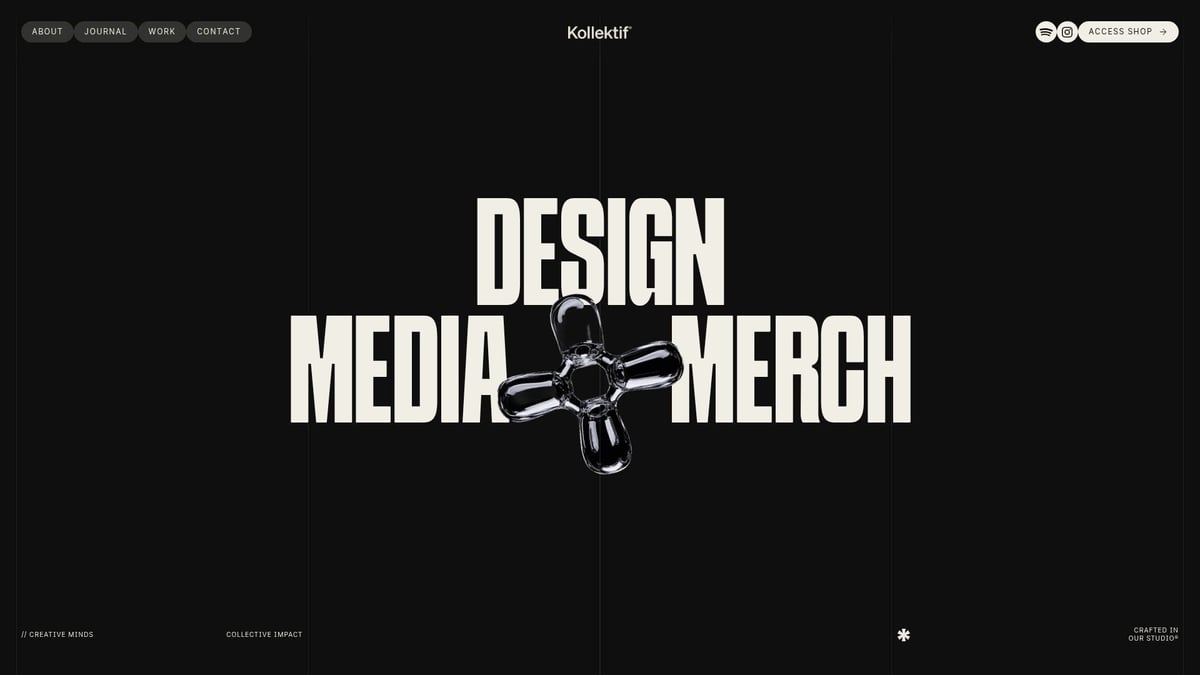
Kollektif® supports every stage of the art branding journey, from crafting a cohesive visual identity to building a professional web presence and developing branded merchandise. Their approach ensures your brand stands out in a crowded market, helping you achieve broader recognition and more cohesive public perception.
Artists who collaborate with studios such as Kollektif® often see measurable results, including increased engagement and enhanced brand clarity. By leveraging professional expertise, you empower your art branding to adapt and thrive in an ever-evolving creative landscape.
Future Trends in Art Branding: What to Expect in 2026 and Beyond
The landscape of art branding is evolving at a rapid pace. As 2026 approaches, artists need to anticipate and adapt to emerging trends to remain visible and relevant. Let us explore the key shifts shaping the future of art branding, from immersive technology to global collaborations.
The Rise of Digital and Hybrid Art Experiences
Digital innovation is transforming the way artists build their brands. Immersive technologies such as AR and VR are enabling creators to craft interactive experiences that engage audiences beyond traditional galleries. Virtual exhibitions and online showrooms are expanding reach, allowing artists to present their work globally without physical limitations.
NFTs and blockchain are also becoming integral to art branding by ensuring authenticity and ownership of digital art. Many artists are now launching virtual galleries, providing collectors with unique, immersive experiences that reinforce their brand identity. These digital strategies are essential for artists looking to distinguish themselves in a crowded market.
Emphasis on Sustainability and Social Responsibility
Consumers and collectors are increasingly drawn to artists who prioritize sustainability and ethical practices in their art branding. The use of eco-friendly materials, upcycled merchandise, and transparent sourcing has become a powerful differentiator. According to recent data, 58 percent of art buyers prefer artists who embrace sustainable methods.
For instance, sustainable merchandise is not only an ethical choice but also a potent branding tool. Artists can look to resources like Upcycled merch and brand identity for inspiration on integrating environmental values into their art branding. Social impact campaigns are helping artists grow their brands while making a difference.
Personalization and AI-Driven Branding Tools
Artificial intelligence is revolutionizing art branding by enabling a new level of personalization. Artists are leveraging AI-powered logo generators, marketing automation, and data analytics to tailor their messaging and visuals. These tools help artists understand audience behaviors and preferences, making each interaction more meaningful.
Emerging design trends suggest that motion graphics and smart content will become standard in art branding. For a detailed look at these developments, explore Design Trends 2026: What's Next for Brands and Creators. Customizing every touchpoint helps artists forge deeper connections and drive engagement.
Globalization and Cultural Fusion in Art Branding
Art branding is no longer confined by geography. Cross-cultural collaborations and international partnerships are shaping the visual language of contemporary artists. By blending influences from different regions, artists are creating unique brand identities that resonate with diverse audiences.
Global muralists and digital creators, for example, are building their art branding through collaborations with peers worldwide. This fusion of cultural perspectives not only broadens reach but also enriches the narrative behind each artist’s work. Embracing globalization opens new doors for artistic innovation.
Preparing for the Unknown: Staying Adaptive and Innovative
The future of art branding will demand agility and continuous learning. Trends are shifting faster than ever, requiring artists to monitor changes and experiment with new media. Staying open to new techniques, platforms, and creative approaches is vital for long-term success.
Artists should prioritize adaptability, refining their art branding strategies as the market evolves. Embracing innovation and maintaining a growth mindset will help artists future-proof their brands. The artists who thrive in 2026 will be those who are ready to pivot and seize emerging opportunities.
As you look ahead to 2026 and consider how to shape your creative identity, remember that building a standout art brand is about more than just visuals—it's about telling your story with clarity and purpose. Whether you're refining your visual identity, enhancing your digital presence, or seeking strategic collaborations, having the right support can make all the difference. If you're ready to turn your vision into a cohesive and impactful brand, let’s take the next step together. You deserve a brand that resonates as powerfully as your art does—Start a project.